IBM and the AI Race: Why the Stock Fell 25% in One Day and What It Teaches
On 07/14/2026, IBM had the worst day in its 115 years on the stock market. AI hit the company in two ways: as a competitor (COBOL and Claude Code) and as a drain on customer budgets. The numbers, the context, and the lesson for any business.
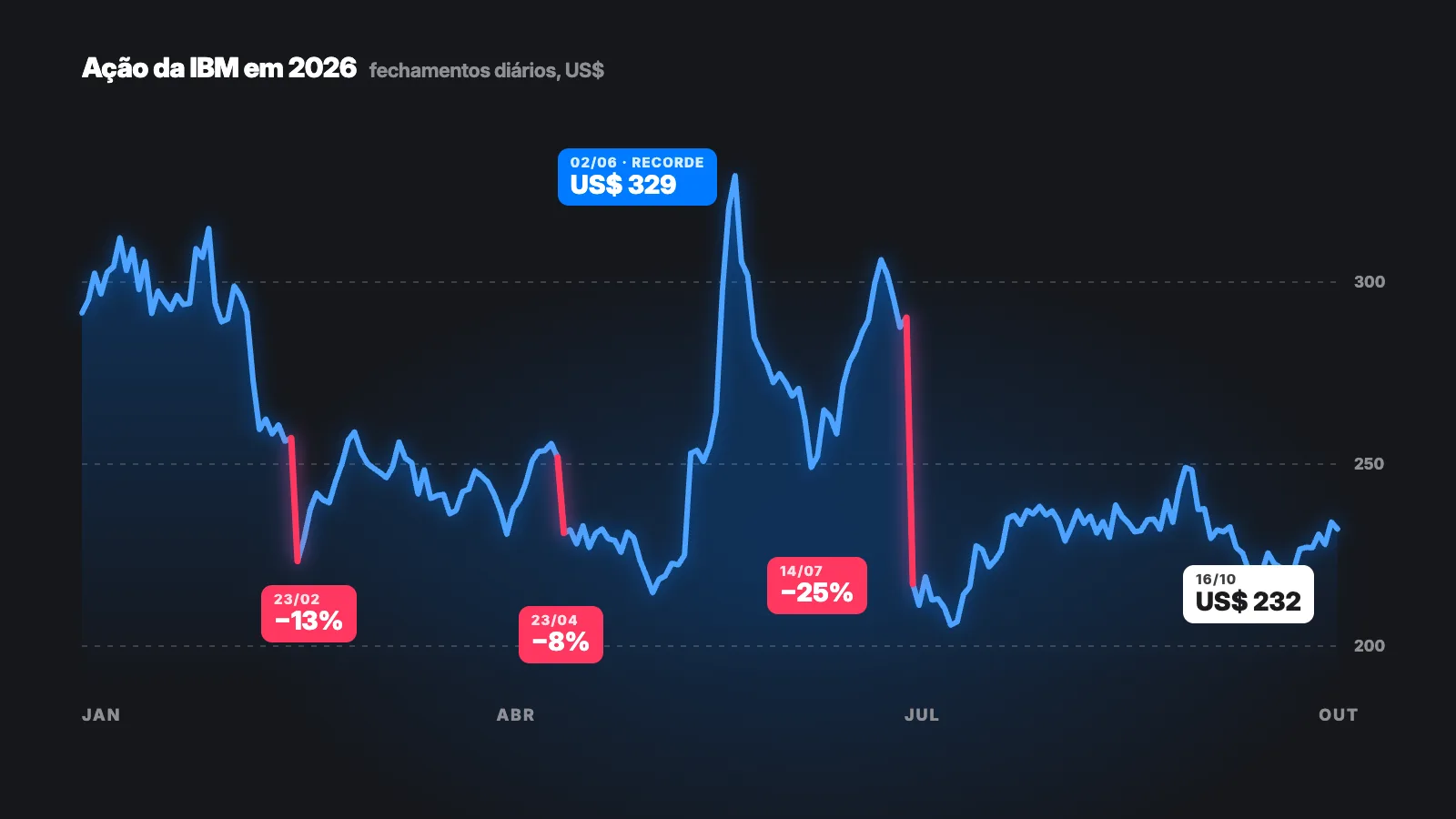
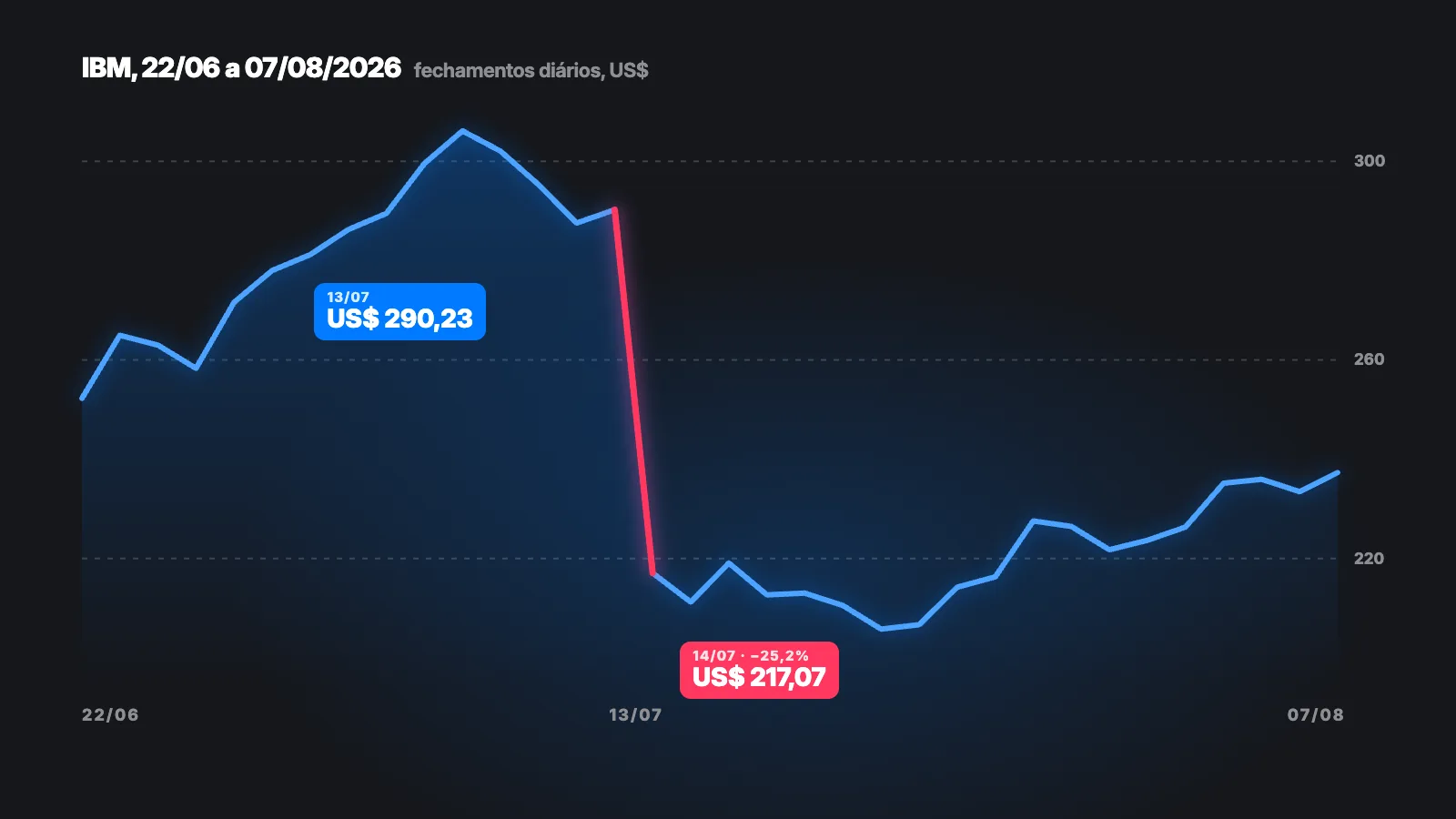
On July 14, 2026, IBM's stock fell 25.2% on the New York Stock Exchange: it closed at US$217.07, down from US$290.23 the day before. It was the worst day in the company's 115-year history, worse even than Black Monday in 1987, and wiped out about US$68 billion in market value in a single trading session. It wasn't an isolated scare: in February and April, the stock had already taken two other tumbles, and all three have the same origin, the artificial intelligence race.
This text tells what happened to IBM in 2026, with numbers checked on 10/18/2026, and tries to answer the lingering question: can a giant company stay in the market in the middle of this race? IBM will release its third-quarter earnings on Wednesday, 10/21, after the market closes.
Summary: IBM's year in dates
| Date | What happened | Stock on the day |
|---|---|---|
| 02/23 | Anthropic shows Claude Code modernizing systems in COBOL | −13.1% (largest drop since 2000) |
| 04/23 | Q1 earnings with weaker software | −8.3% |
| 06/02 | Record, driven by US$1 billion from the US government for quantum computing | US$329.23 at close |
| 07/14 | Q2 preview below expectations | −25.2% (worst day in history) |
| 10/16 | Last close before this text | US$232.14 (−30% since record) |
Before: who is IBM
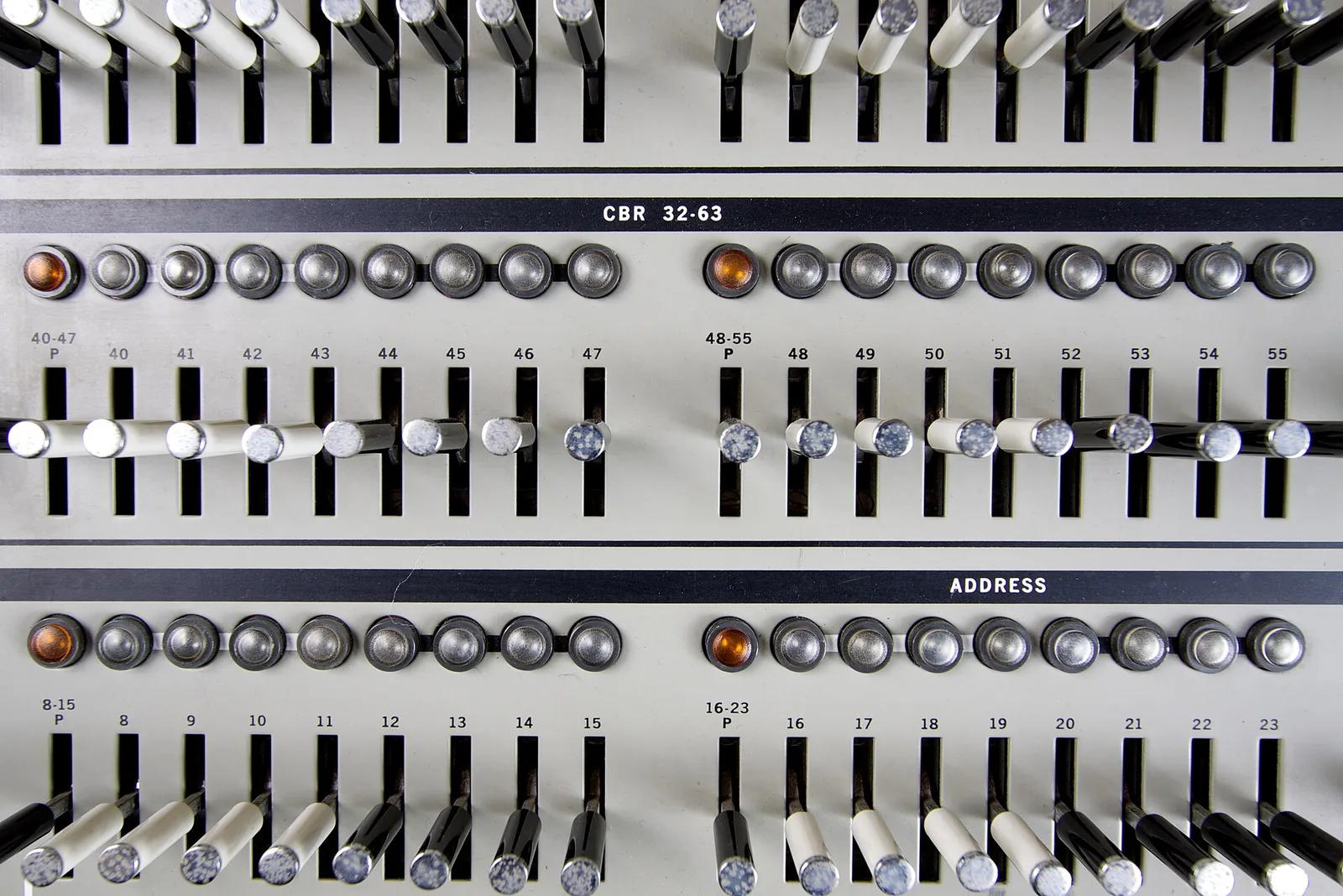
IBM did not invent the computer. The first general-purpose electronic computer, ENIAC, was built in 1945 at the University of Pennsylvania. IBM's role was different, and perhaps more important for business: to bring the computer into companies and, later, to everyone's desk.
It was founded in 1911 as CTR, a manufacturer of punched card machines, and was renamed International Business Machines in 1924. In 1964, it launched the System/360, the family of computers that standardized corporate IT. In 1981 came the IBM PC, whose standard personal computers still follow today. In 1997, Deep Blue defeated world chess champion Garry Kasparov, and in 2011, Watson beat the champions of the Jeopardy quiz show, live on American TV. Its nickname, to this day, is Big Blue.
In other words: it is a company that has changed its main product several times. Keep that in mind, because it's the most important part of the story.
Blow 1 (February): AI became a competitor
Much of the money from banks, card operators, and insurance companies still passes through programs written in COBOL, a language created in 1959. These systems run, for the most part, on IBM mainframes, and modernizing this code has always been an expensive, slow, and lucrative job for those who know how to do it. IBM is one of the companies that profits most from this, selling machines, software, and consulting.
On February 23, Anthropic published a text showing Claude Code, its programming agent, reading, documenting, and rewriting systems in COBOL. The promise was to modernize this code “in quarters, not years.” The market read the news as a direct threat to a business that seemed protected by its difficulty: if AI does in months what used to take years, there's less work to sell.
IBM's stock fell 13.1% that day, the largest single-day drop since October 2000. Adding the three weeks since the end of January, the loss reached 27%. Other software and technology companies also fell, for the same fear: that AI agents would automate the work they charge for.
April and June: stumble and record
On April 23, first-quarter earnings showed slower growth, with software below expectations, and the stock fell another 8.3%. Then, the story turned: at the end of May, IBM received US$1 billion from the US government for a quantum computing chip factory, announced more than US$10 billion in investment in the area over five years, and the stock rose more than 40% in a few weeks. On June 2, it closed at US$329.23, the highest value in history.
It didn't last long.
Blow 2 (July): AI became a budget drain
On July 14, IBM anticipated second-quarter numbers well below expectations. The reason was surprising, because it wasn't AI taking IBM's place. It was AI taking money from IBM's customers.
Since the end of 2025, memory chip manufacturers began producing for artificial intelligence data centers, 2026 capacity was sold in long-term contracts, and the price of memory and servers skyrocketed. Companies rushed to buy servers, storage, and memory before further increases and postponed the rest, including new IBM mainframes. In the quarter, IBM Z line sales fell 42%.
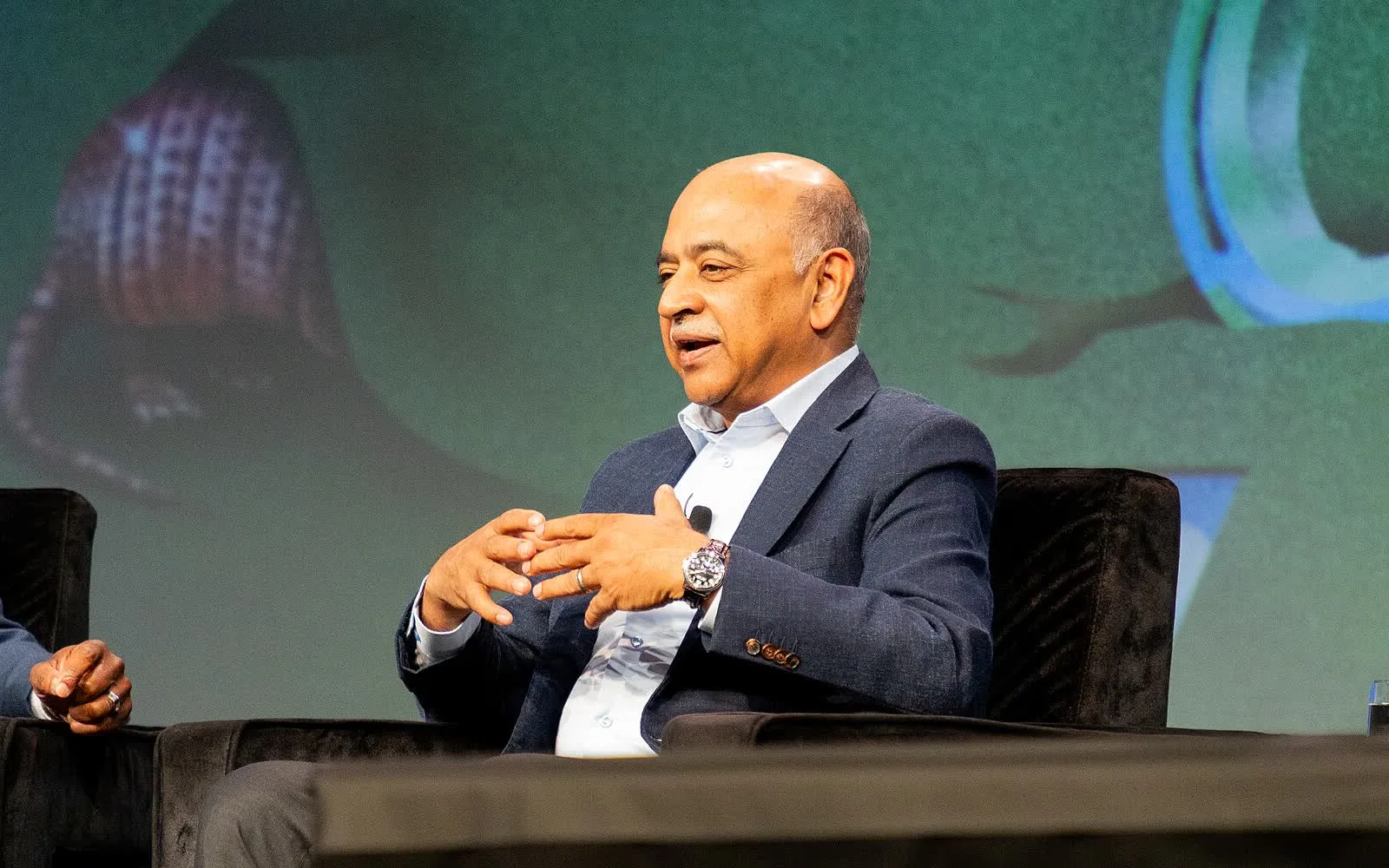
IBM CEO Arvind Krishna was direct in his letter to investors: “This quarter we faltered.” And he admitted that the company did not foresee the extent of the change in customer investments, and that several large contracts were not closed within the expected timeframe.
The stock fell 25.2% and dragged down the software sector: Salesforce, Microsoft, ServiceNow, and Intuit also closed lower, while the Nasdaq 100 index rose on the same day. On July 22, the stock marked its lowest close of the year, US$205.77.
What the headline doesn't tell you: it's not bankruptcy
“Worst day in history” is scary, but the official second-quarter results, published on 07/22 by the SEC (the American CVM), show a company that is still growing:
| Q2 2026 | Value | Vs. 2025 |
|---|---|---|
| Total Revenue | US$ 17.2 billion | +1% |
| Software | US$ 7.8 billion | +5% |
| Red Hat | within software | +11% |
| Consulting | US$ 5.3 billion | stable |
| Infrastructure | US$ 3.8 billion | −7% |
| Mainframes (IBM Z) | within infrastructure | −42% |
For the year, IBM now expects revenue growth of 4% to 5% in constant currency. On 10/16, the company was worth approximately US$ 219 billion. IBM's problem is not that it's doing poorly. It's growing slowly while market money is flowing elsewhere.
Where the money went
On the same October 16, Nvidia, which sells the chips that power AI, was worth US$ 5.17 trillion. That's the equivalent of 23.6 IBMs. The AI race didn't take money out of the technology market: it changed its address. Those who sell shovels in the gold rush (chips, memory, servers) are taking the biggest share now, and those who sell what comes next (software, consulting, machines for old systems) wait in line.
IBM almost died once before
It's not the first time IBM has fallen behind. In the early 1990s, personal computers and smaller servers drove down mainframe sales. The company lost US$ 4.97 billion in 1992 and, in the second quarter of 1993, US$ 8 billion in a single quarter, a record for an American company at the time.
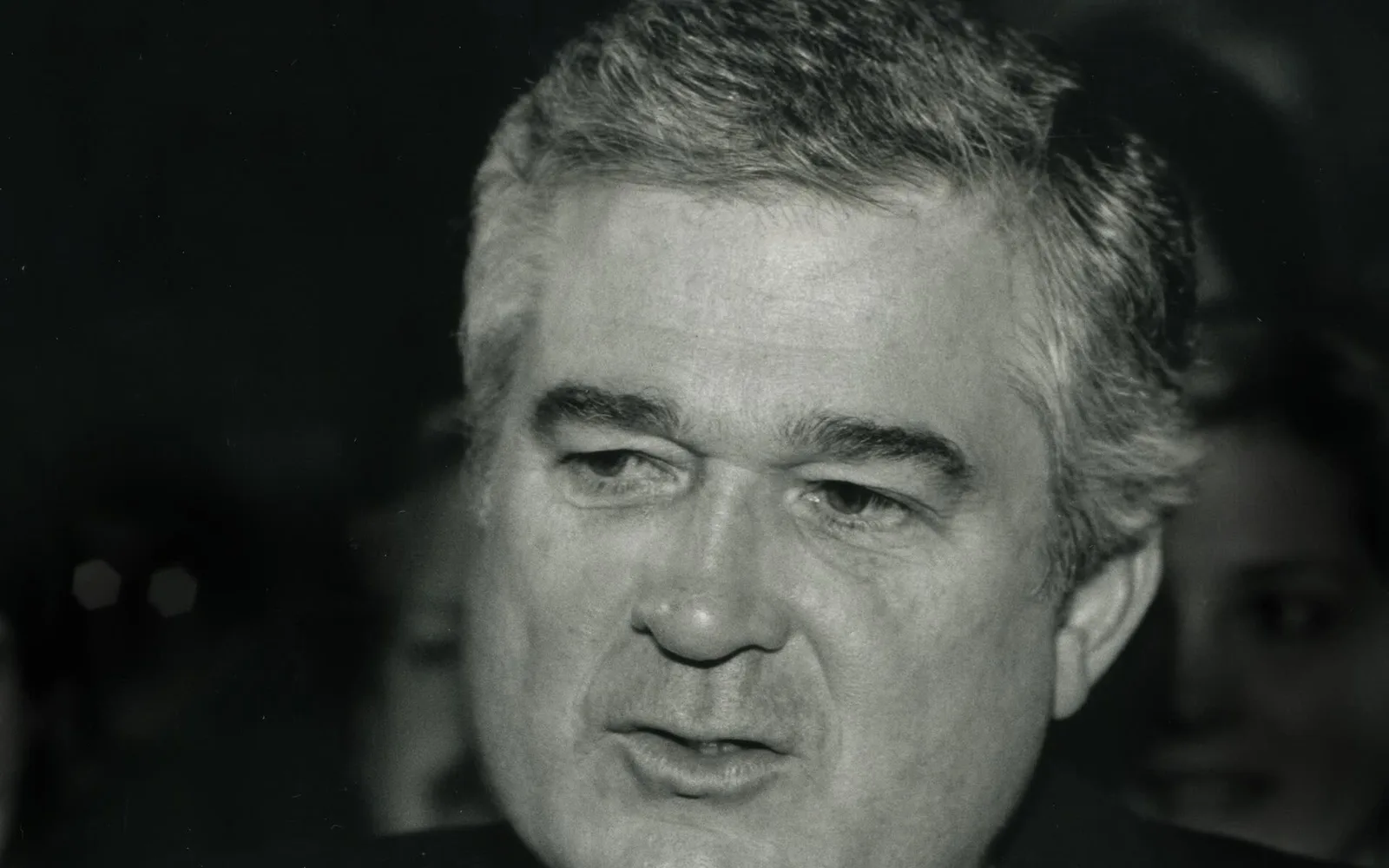
Lou Gerstner took over in April 1993, abandoned the idea of breaking IBM into pieces, and shifted the business focus: from selling machines to selling services and complete solutions. The company's market value went from approximately US$ 29 billion in 1993 to US$ 168 billion in 2002, when he left. Later, IBM sold its personal computer division to China's Lenovo (2005) and bought Red Hat for US$ 34 billion (2019), which today is one of its fastest-growing parts.
The counterpoint: Kodak
Kodak is the example everyone cites, and rightly so. A Kodak engineer, Steven Sasson, created the first digital camera in 1975. The company had the invention in its hands but preferred to protect the highly profitable photographic film business. When digital photography took over, Kodak hadn't transformed in time and filed for bankruptcy in January 2012.
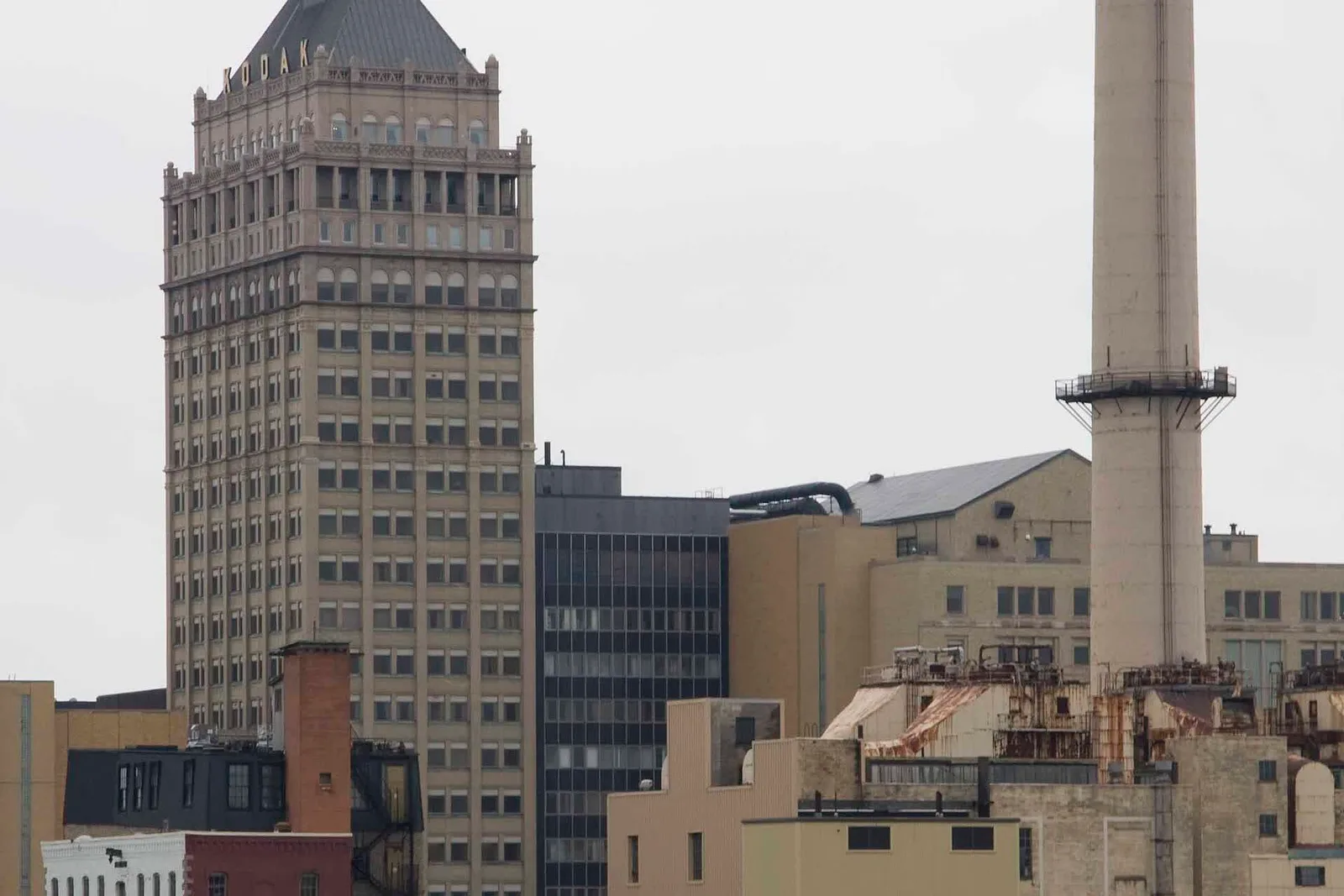
The difference between the two stories is not size or technology. Kodak had the right technology. IBM in the 90s was in a worse situation. What separated one from the other was the willingness to change their business before it was too late.
So, do big companies survive?
Those who change before they are forced to survive. Size doesn't protect: it gives you more time to make mistakes, but it also slows down change. What protects is the speed to perceive where the customer is taking their money and go along with it.
And this applies to any business size. Three questions to ask about yours:
- Where is your customer taking their money now? IBM lost sales not because the customer ran out of money, but because they started spending on something else. It's worth looking at what your customers are prioritizing this year.
- What do you charge for that AI already does for free? COBOL was a protection because it was difficult. When AI made the difficult easier, the protection diminished. What part of your service depends only on being laborious?
- Do you change in quarters or in years? Anthropic's promise was “in quarters, not in years.” If your competitor can change at that pace, your business needs to keep up.
None of these questions ask for a revolution. They ask for attention: a website that shows what you do today (and not what you did three years ago), quick customer service, and the willingness to test new things before you need them.
What to watch in the 10/21 balance sheet
IBM will release its third-quarter results on Wednesday, 10/21, after the close of the New York Stock Exchange. According to the consensus compiled by MarketBeat, analysts expect earnings of US$ 2.87 per share and revenue of US$ 16.84 billion. The points that will tell if the story changes: if software (especially Red Hat) continues to grow, if mainframe sales recover with memory normalization, and if the company maintains its 4% to 5% forecast for the year.
This text is informative and is not investment advice.
Frequently asked questions
Why did IBM's stock fall 25% in July 2026?
Because the second-quarter preview came in below expectations: customers diverted their budget to AI servers and memory, which are scarce and rising in price, and postponed IBM purchases. Mainframe sales fell 42%.
What does Claude Code have to do with IBM?
In February, Anthropic showed Claude Code modernizing systems in COBOL, a language that runs largely on IBM mainframes. The market understood that AI could reduce expensive work that IBM relies on, and the stock fell 13% that day.
Is IBM going bankrupt?
No. In the second quarter, revenue grew 1%, software 5%, and Red Hat 11%, and the company was worth approximately US$ 219 billion in October. The problem is the pace of growth, not financial health.
Did IBM invent the computer?
No. The first general-purpose electronic computer was the ENIAC, from 1945. IBM brought the computer to businesses (System/360, 1964) and created the personal computer standard (IBM PC, 1981).
Sources
- Daily stock prices: Yahoo Finance (consulted on 10/18/2026).
- Q2 results and full-year forecast: IBM's official SEC filing, 07/22/2026.
- 07/14 drop and Arvind Krishna's letter: Yahoo Finance and Bloomberg Línea.
- 02/23 drop (Claude Code and COBOL): CIO and Forbes Brasil.
- June record and quantum computing: TIKR.
- IBM and Nvidia market cap on 10/16: companiesmarketcap.com.
- 1992 and 1993 losses: UPI and Tampa Bay Times.
- Gerstner and IBM's turnaround: Knowledge at Wharton.
- Q3 earnings date and consensus: IBM Investor Relations and MarketBeat.

About Lee Sugano
Lee Sugano
Digital solutions agency based in Japan, serving clients in 10+ countries. We share insights on development, design and digital marketing for companies that don't settle for generic.
Enjoyed this content?
Receive exclusive insights about web development, design, and digital marketing straight to your inbox.
No spam. Unsubscribe anytime.