Figma Config 2026: AI, Motion, and Code Launches
Discover the main releases from Figma Config 2026. Updates include Code Layers, Figma Motion, AI shaders, and deep tool integrations.
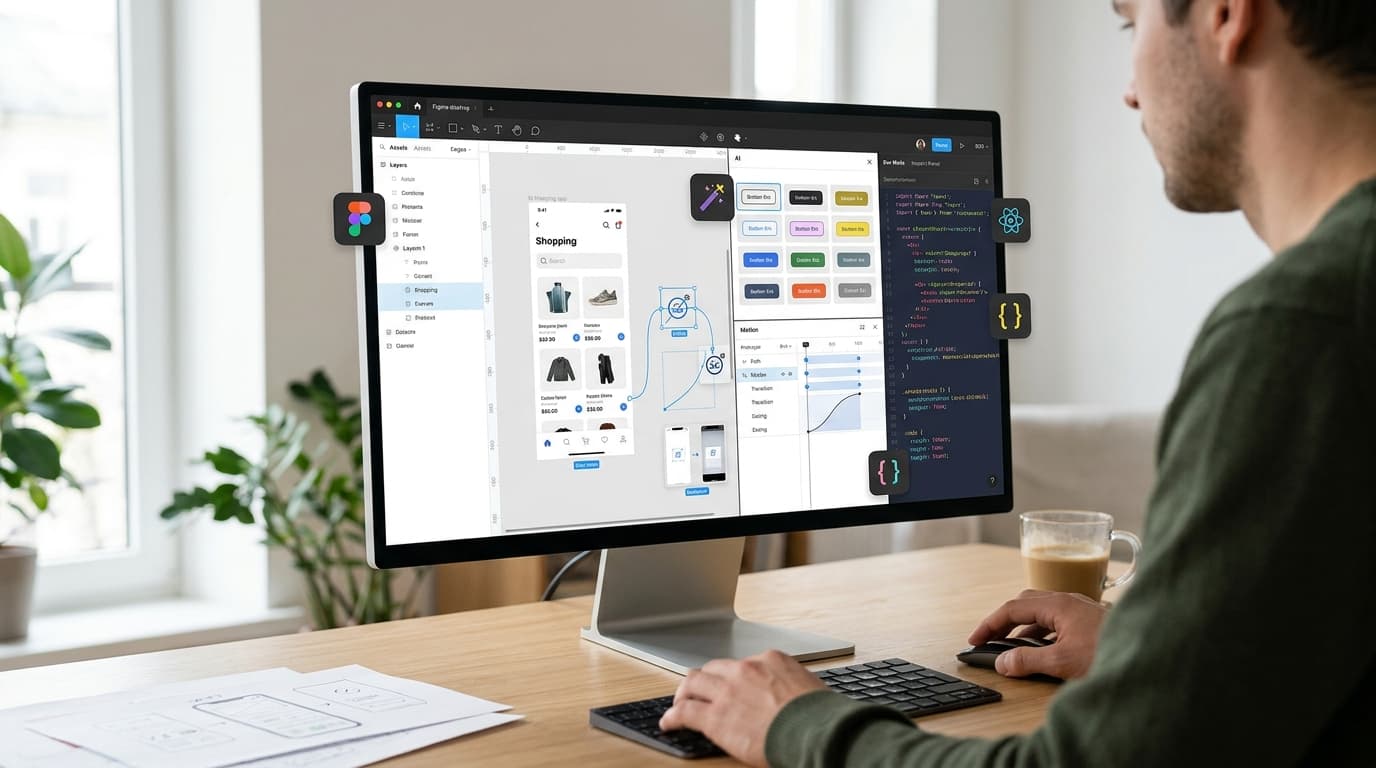
The End of Barriers Between Design and Code
The bridge between visual design and software development has just become incredibly shorter and more accessible. During the prestigious Config 2026 conference, Figma surprised the global tech community by announcing an impressive set of brand-new features. These new functionalities definitively bring interface design, AI, and software engineering closer together directly on the canvas itself, eliminating historical friction between the fields.
With the updates detailed in the official blog recap and the company's help center, it is clear that this year's absolute focus is deep integration and the fluidity of creative workflows. Design is no longer an isolated element; it is part of a continuous and organic ecosystem.
The massive updates, which began rolling out globally on June 24, 2026, promise to radically transform how creative and technical teams collaborate daily. The core philosophy of the entire event was brilliantly summarized with a single impactful phrase: > "No tool should limit where an idea can go". In other words, no tool should limit how far a creative idea can go.
This guiding motto permeates absolutely all the innovations presented in this cycle, from the direct and immediate manipulation of functional code to the generation of complex animations and micro-interactions. Before we dive deep into the technical details of each announcement, check out a brief structured summary of the main points revealed at the conference:
- Code Layers: Revolutionary transformation of design layers into interactive, bidirectional code.
- Figma Motion: A complete, robust, and native timeline to create, preview, and export animations.
- Shader Fills and Effects: Generation of custom shaders by AI with native real-time rendering.
- Weave Tools: Native and directly integrated AI for generating and manipulating graphic images.
- New Figma Agent: Advanced integration with various external tools via smart connectors and simplified plugin creation without the need for a local environment.
Code Layers: Interactive Code at a Click
One of the biggest headaches and sources of error in the digital product creation process has always been the famous handoff process, which is precisely the critical moment when the approved design is delivered to developers. The company's elegant and definitive response to this long-standing market challenge goes by the name of Code Layers.
This extraordinary feature automatically transforms any selected design layer into a fully interactive and functional code layer. This entire technological process can be activated with just a simple mouse click or by typing a specific command prompt, raising team productivity to a level never before seen in the software industry.
Leveraging the power of Code Layers, multidisciplinary teams can duplicate entire interface elements to explore different creative directions and technical solutions side-by-side on the canvas. The most impressive aspect of this update is its innate ability to sync any structural changes back to the project's source code.
This unprecedented bidirectional functionality promises to drastically reduce all recurring visual inconsistencies and long feedback loops between the interface and engineering teams. However, a little patience is required. Currently, the Code Layers feature is strictly in a closed beta phase and requires prior registration on an official waitlist. According to the extensive official documentation released by the company, the rollout process for this feature is scheduled to begin in July 2026. Community expectations remain extremely high.
Figma Motion: Native Animation and Interactivity
The meticulous creation of visual micro-interactions and animated screen transitions has always required the use of complex third-party tools or a colossal and costly effort of isolated prototyping. The introduction of Figma Motion completely and definitively changes this landscape by adding a powerful, dedicated, and professional timeline directly inside the Figma Design interface.
With this release, interface professionals and specialists have native access to fundamental controls such as adjustable keyframes, configurable motion presets, and refined easing curves to perfect absolutely every detail and nuance of movement on their screens. The tool's unique versatility allows any user to create an animation from scratch with full control, or request the embedded AI to quickly generate an ideal, fluid starting point for their new interactive project.
After the creation and refinement process, any built animation can be easily transformed into a smart, reusable component. This immensely facilitates the consistent application of the same interactive behavior across multiple different files and various visual libraries maintained by the corporate team.
Another technical and absolutely crucial highlight of Figma Motion is its wide range of export options for engineering. The wonderful animations created do not remain trapped and inaccessible in the design software. They can be exported hassle-free in modern formats highly compatible with web infrastructure, such as CSS stylesheets, structured data in JSON files, native React code blocks, optimized MP4 or WebM videos, in addition to the ability to save as animated SVG and also in the classic GIF format. This fantastic update entered open beta starting on June 24, 2026.
Shader Fills and Weave Tools: The Power of AI
The creative and free visual exploration phase has gained extremely powerful allies with the introduction of features deeply powered by next-generation AI algorithms. The first notable update in this regard is the feature officially named Shader Fills and Effects.
Using the advanced AI integrated into the design platform, art directors and designers can generate highly complex custom textures and shaders directly from simple, descriptive text prompts, or by using imported reference images. All of this runs smoothly on screen, relying on powerful native rendering based on the recent WebGPU technology, which offers exceptionally detailed parameterizable controls for fine visual adjustments. It is worth noting that this premium graphics feature is exclusively available on the platform's paid plans.
Working side-by-side with the new shaders, the platform officialized the exciting arrival of Weave Tools integrated into Figma Design. They finally bring powerful automated generation and intelligent AI image manipulation directly into the daily, uninterrupted design workflow.
Several highly repetitive, time-consuming, and laborious daily tasks, such as the meticulous background replacement of a product photo, the seamless and harmonious addition of a corporate logo, or the complex change of a central image's geometric aspect ratio, are now resolved quickly, efficiently, and masterfully integrated into the canvas. The launch of these Weave Tools occurred on June 24, 2026, and immediately covers all users subscribed to Professional plans or even higher versions. Alongside this launch, the so-called Weave Workflows in the Community section became generally available to everyone, acting collaboratively as efficient, shareable templates.
The New Agent and the Generative Plugins Revolution
To fully solidify and consolidate its innovative proposal of offering a truly limitless unified workspace, the company decided to considerably expand all the interactive capabilities of its intelligent, integrated virtual agent.
The central AI agent has now gained what they call new skills, which basically consist of practical, pre-packaged workflows to automate routine and tedious team processes. Going much further, it now also features long-awaited native support for various attachments, the powerful ability to perform real-time web searches during conversations, and has had its reach brilliantly expanded and adapted to work within other corporate tools like FigJam and the newly launched Slides.
However, the true technical game-changer of this conference is, without a doubt, the robust adoption of smart connectors that truly integrate essential external tools for daily technology teams. Skillfully utilizing the Model Context Protocol (MCP) framework, the famous omnipresent agent can now connect directly to several professional platforms already established and beloved in the global corporate market.
This enviable and selective list of official integrations includes major names in the contemporary tech industry, specifically covering the versatile Notion, the popular Slack communicator, the modern Granola, the Hex tool, the massive and indispensable GitHub, and absolutely the entire vast ecosystem of the giant Atlassian. This magical bridge of smart integration allows, once and for all, information and specifications to flow freely and without any access barriers between vital code repositories, scattered corporate documentation, instant chats, and the interface design file itself.
Finally, closing the major announcements on a high note, the global event marked the exciting announcement of Generative Plugins. From this exact moment, it is simply no longer necessary to invest countless hours installing and configuring an absurdly complex local development environment to automate design software. Any interested user can now easily build dozens of fully customized and functional plugins simply by actively chatting in clear natural language with Figma's internal agent. The old and oppressive technical barrier to creating practical extensions has definitively fallen.
Final Thoughts on the Future of Design
The annual Config 2026 conference will certainly be forever marked in history as the exact definitive moment when the thin and limiting line dividing the act of creating a static layout and programming a functional visual interface effectively became invisible to the industry's eyes.
Modern and robust features, such as the surgical introduction of Code Layers and the comprehensive release of Figma Motion, show with extreme clarity that updated and modern design must, by its very core nature, be fully interactive. More importantly, digital design must now be immediately and perfectly translatable and synchronizable to the final code language without any friction or loss of visual quality.
At the same steady and fast pace, the surprising large-scale adoption of AI models through the artistic innovations of Shader Fills, the versatile Weave Tools for manipulation, and, above all, the leap provided by Generative Plugins, shows the entire world that the corporate role of the interface designer is rapidly evolving. The modern professional is no longer a simple manual, repetitive executor, moving urgently to the important and strategic position of a true visionary orchestrator of complete, scalable creative solutions.
By masterfully plugging in and integrating several critical tools of the technical routine, such as the essential GitHub repository, the Slack collaborative platform, and the dynamic Notion directly into the main visual workspace, the company delivers with commendable and impressive excellence on its big and bold promise of systemic and structural transformation. And as was powerfully echoed with applause and vigor in the exciting official opening of this great conference: no tool should limit how far a great idea can go.

About Lee Sugano
Lee Sugano
Digital solutions agency based in Japan, serving clients in 10+ countries. We share insights on development, design and digital marketing for companies that don't settle for generic.
Enjoyed this content?
Receive exclusive insights about web development, design, and digital marketing straight to your inbox.
No spam. Unsubscribe anytime.