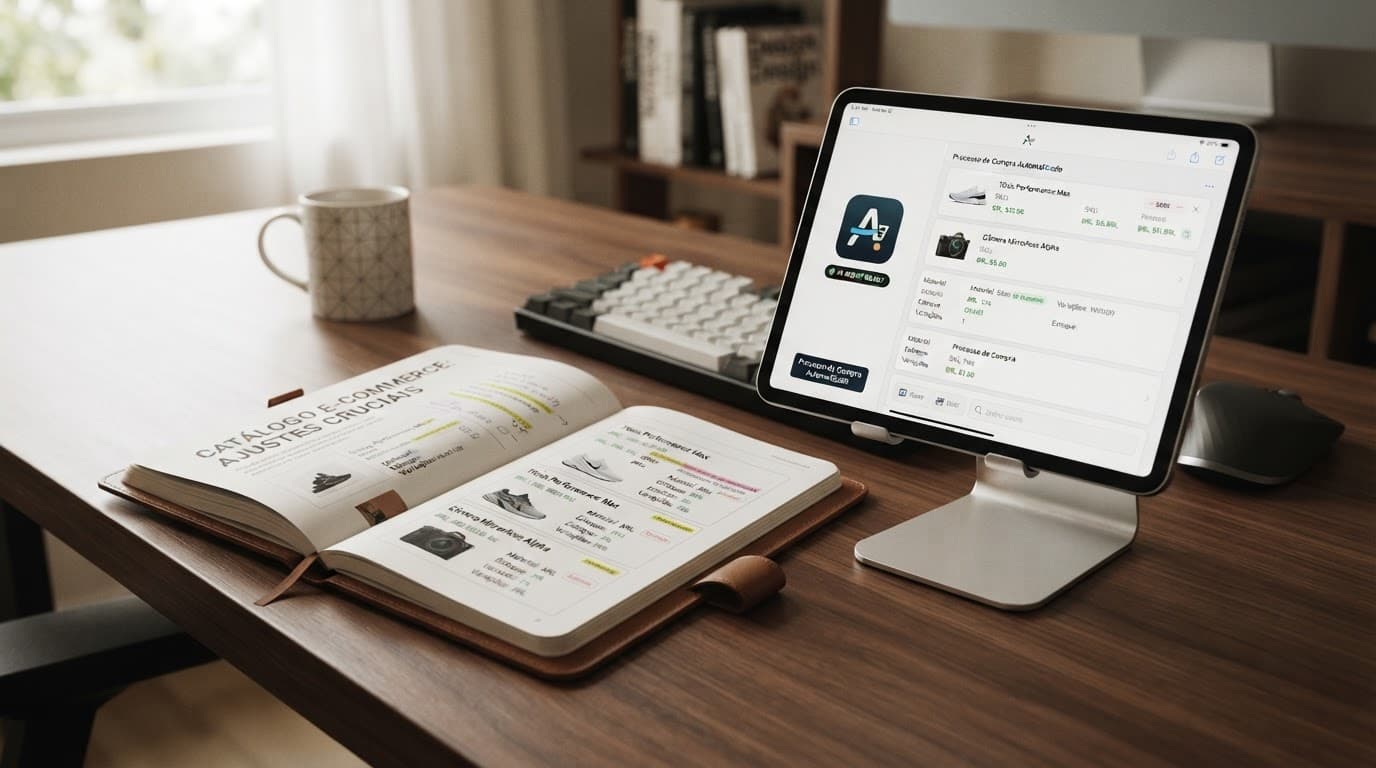
30 ideas for what to document in your business (and turn into content)
With artificial intelligence, anyone can make a beautiful post. What competitors can't copy is your story. 30 ideas for what to jot down, photograph, or record in your day-to-day business, with examples and how to turn each record into a post.

With artificial intelligence, any competitor can make a post as polished as yours: the product photo, the well-crafted copy, the layout. The technique is becoming similar for everyone. When everything looks the same, customers need another reason to choose, and that reason is usually the story of the person behind the business: how it started, what went wrong, what they learned along the way.

The good news is that a story isn't invented all at once. It's recorded gradually, a little bit each day. Below are 30 ideas for what to jot down, photograph, or record in your business, split into six groups, each with an example and a simple way to turn the record into content.
Before you start: the 5-minute log
You don't need a camera, a script, or a fixed schedule. You need just one place to keep everything:
- A note on your phone called "Business journal," with the date and two or three lines per day.
- A photo album with the same name, for the day's photos and short videos (even the ugly ones).
- One fixed question to answer at the end of the workday: "what happened today that a customer would find interesting?"
The log is raw material. Not everything becomes a post, and that's fine. After a month, you'll have dozens of real stories to choose from, instead of staring at the screen with no idea what to post.
1. The beginning (where you came from)
- The first customer. Who it was, how they found you, what they bought. Example: "Our first cake was for the neighbor in apartment 302, in 2019. She asked for carrot cake; we barely even had a proper pan."
- Why you started. The layoff, the long-held dream, the necessity, grandma's recipe. One honest sentence is worth more than a long text.
- The first location. The kitchen table, the garage, the spare room. If you have an old photo, keep it; if not, describe it.
- The first tool or piece of equipment. The secondhand sewing machine, the small oven, the borrowed laptop.
- The business name. Why that name, and which names almost made the cut.
2. Behind the scenes (what the customer doesn't see)
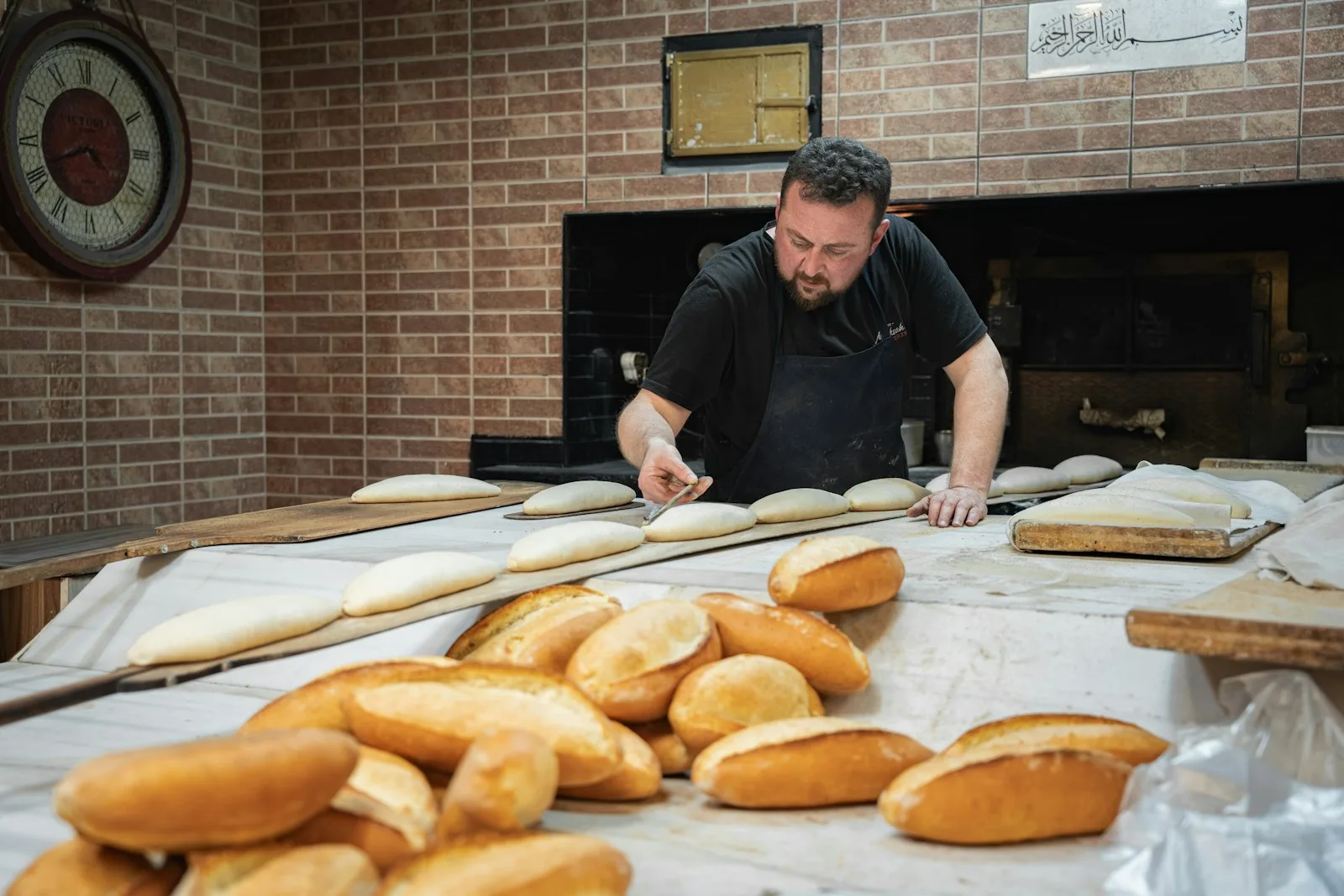
- The start of the day. What time the doors really open, and what gets done before the first customer arrives.
- A process from start to finish. From order to delivery: how many steps, how many hands, how much time.
- The detail nobody notices. The reinforced stitching, the 24-hour sourdough starter, the double-checked quote.
- The mess before the cleanup. Inventory arriving, the workbench mid-job. It shows real work.
- The supplier. Where your raw materials come from and why you chose that supplier.
3. The customers (who you serve)
- The question everyone asks. Write it down every time you hear the same question. Each one becomes an answer post.
- The problem you solved today. The customer's problem, what you suggested, and how it turned out. Example: "She wanted a dress for her daughter's wedding and the budget didn't add up. We changed the fabric and it fit the budget."
- The compliment you received. A screenshot of the message (with the customer's permission and without exposing personal data).
- The customer who came back. Who has been with you for years, and why.
- The unusual request. The order you'd never done before and agreed to take on.

4. Mistakes and what you learned
This is the part that builds the most connection. In every movie, the character makes mistakes before growing, and business is the same: showing the mistake and the fix builds trust, because it proves someone is paying attention.
- The order that went wrong and how you fixed it. Without blaming the customer or the supplier: what happened, what you did, what changed.
- The product that didn't sell. What you thought would work and didn't, and what you learned from it.
- The tough decision. Raising prices, discontinuing something, turning down a type of service.
- The test of the week. A new flavor, new hours, new packaging. Record the before, the during, and the result, even if it doesn't work.
- What you'd do differently if you started today. A short list is gold for people just starting out, and it attracts exactly that audience.
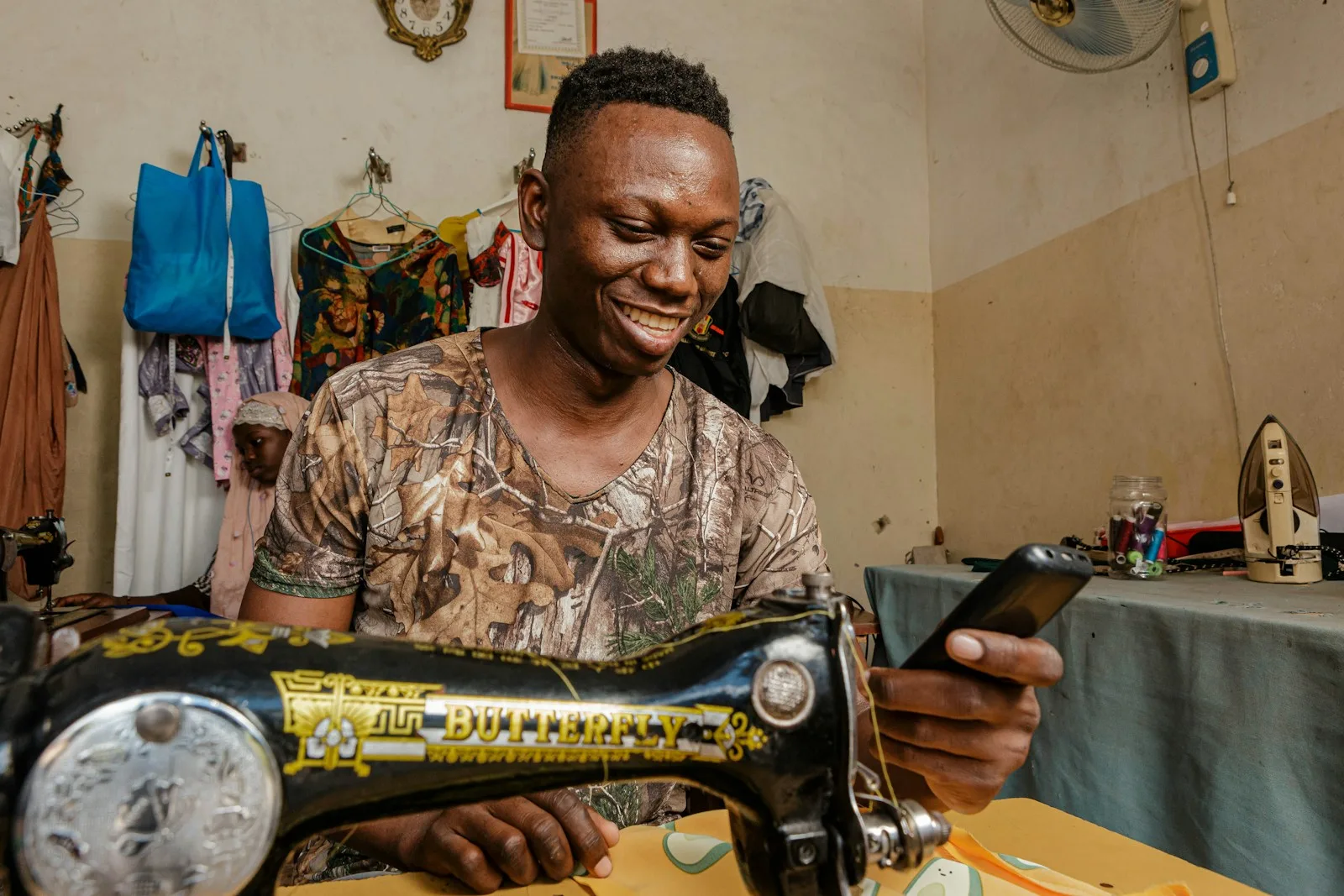
5. The people (who make it happen)
- The people who work with you. Name, role, and a fun fact (with permission).
- Your routine as the owner. The things you do that nobody imagines: spreadsheets, purchasing, deliveries, answering customers at 10 p.m.
- Who taught you. The mentor, the course, the first boss, your mom.
- Your day off. What you do to rest is also part of the story, and it shows the person behind the brand.
- Family in the business. If it's a family business, the generations, the good-natured arguments, the traditions.
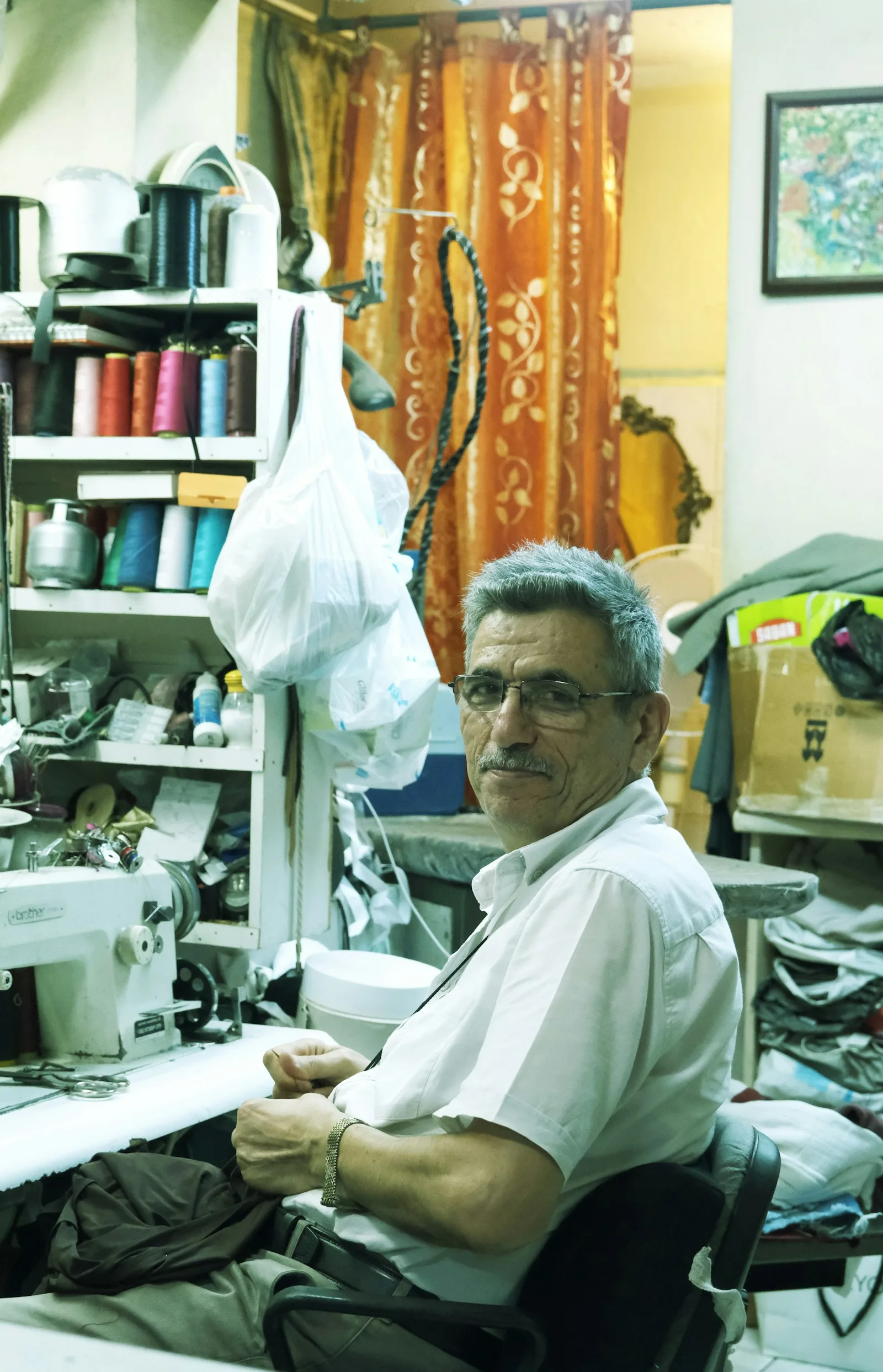
6. The milestones (the road so far)
- The numbers that matter to you. A thousand orders, five years, the hundredth customer. Write down the date when it happens.
- The before and after. Of the storefront, the window display, the packaging, the menu, the product itself.
- The small win. The first five-star review, the first order from another city.
- The goal of the month. Share what you want to achieve and, the following month, share whether you made it or not.
- A letter to yourself five years ago. What you would tell the person who was just starting out. It often becomes the most commented post.
How to turn your records into content
| If you documented... | It becomes... |
|---|---|
| A photo and a sentence from the day | A Story, the same day |
| A process from start to finish | A 15 to 30 second Reel, or a step-by-step carousel |
| The question everyone asks | A Q&A carousel, or a pinned post |
| A mistake and how you fixed it | A post with a longer caption telling the story |
| A milestone or a before and after | A feed post with both photos side by side |
| A week of records | A weekly recap on Saturday |
Frequently asked questions
What if my business doesn't have an interesting story?
Every business does. The first customer, the order that went wrong, and the question everyone asks are already stories. What seems ordinary to you is often news to the person on the other side of the counter.
I'm shy about being on camera. Do I need to show my face?
No. Hands at work, behind the scenes, before and after shots, and your voice telling what happened already tell the story. Showing your face helps, but it isn't required to get started.
How much time does this take per day?
Five minutes to jot things down and take one or two photos. Turning them into posts is a separate step, which you can do once a week with your best records.
Doesn't quality matter anymore?
It does, and it's still the foundation. A story doesn't replace a good product or service; it's what makes customers remember you when everyone's quality starts to look the same.
Can I use artificial intelligence to write the posts?
It can help organize the text, but the raw material has to be yours: the real event, the date, the customer's name (with permission), the actual mistake. That's exactly what no tool can copy.

About Lee Sugano
Lee Sugano
Digital solutions agency based in Japan, serving clients in 10+ countries. We share insights on development, design and digital marketing for companies that don't settle for generic.
Enjoyed this content?
Receive exclusive insights about web development, design, and digital marketing straight to your inbox.
No spam. Unsubscribe anytime.